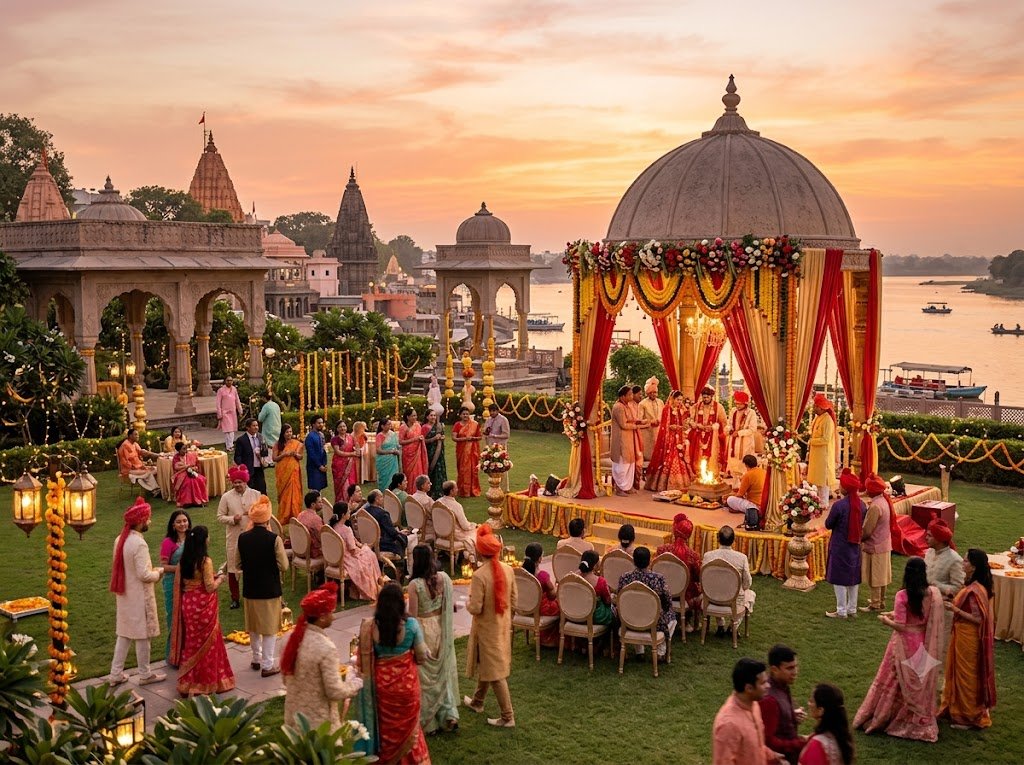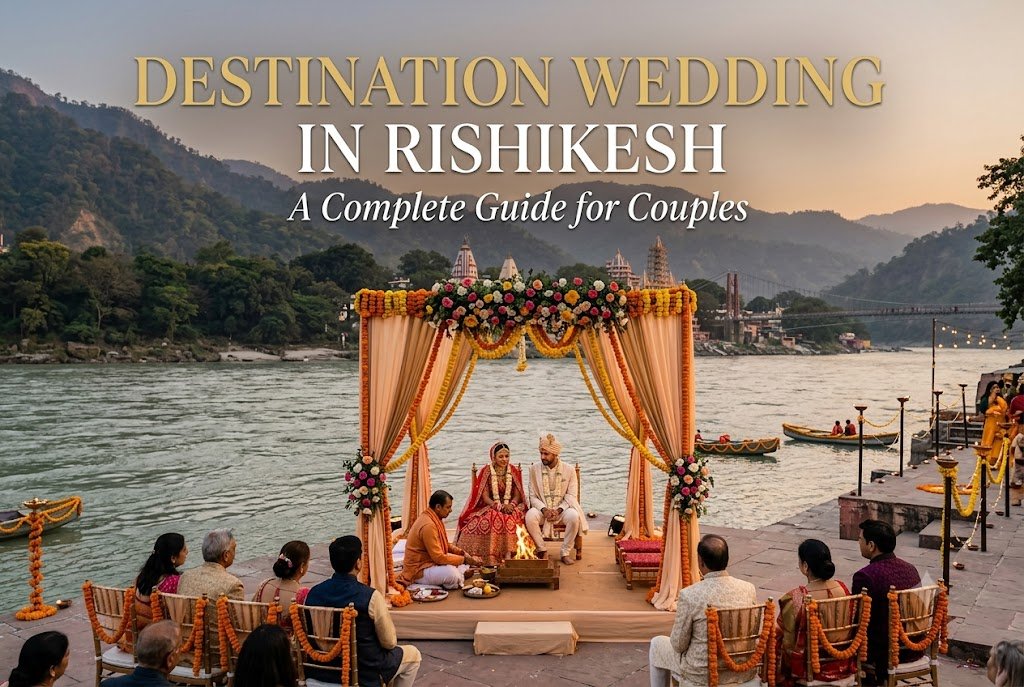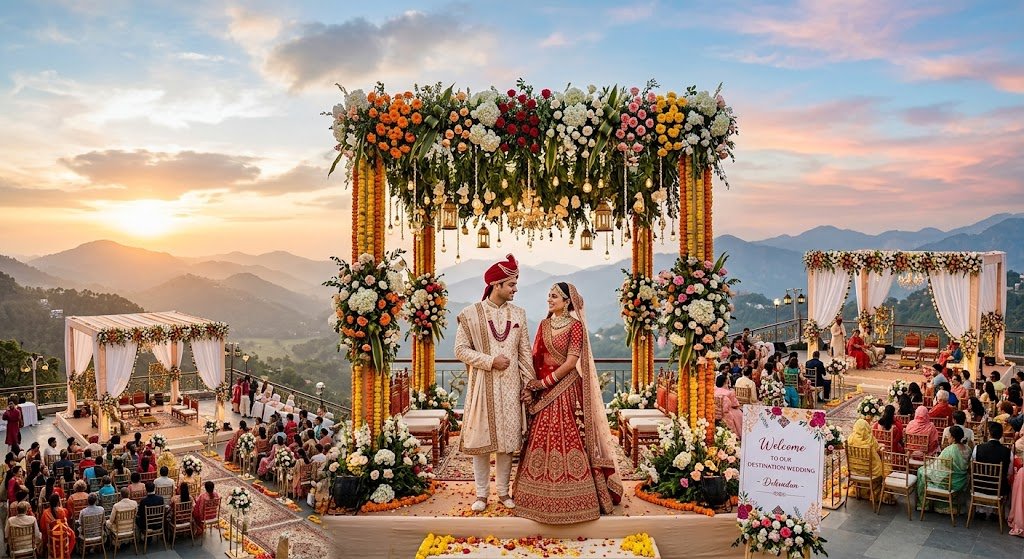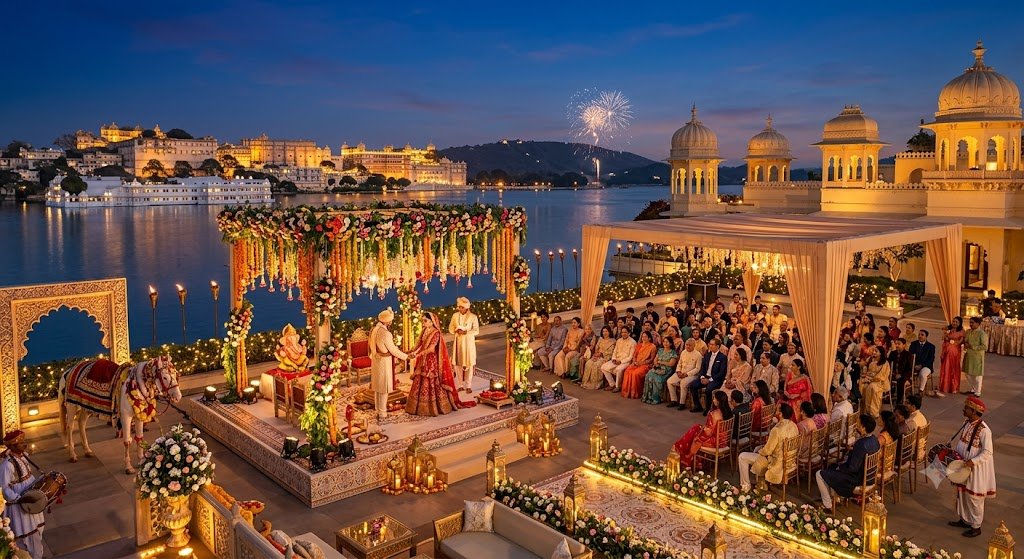

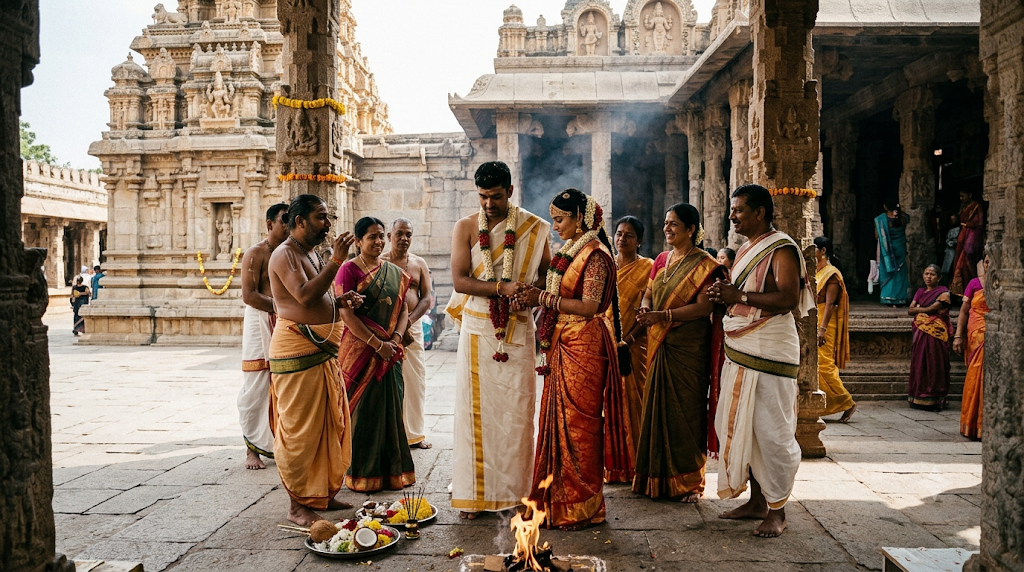
A temple wedding strips a celebration down to what matters most: the vows, the priest’s mantras, family around you and the deity’s blessings. For many couples, it’s the most meaningful way to get married. For others, it’s a way to keep the sacred ceremony intimate and then celebrate with a larger reception afterwards.
This guide covers how temple weddings work in India, popular temples and what they require, the booking process, documents, legal registration, costs and etiquette. Every temple has its own rules, so treat this as a planning framework and confirm details with your chosen temple.
Why Choose a Temple Wedding?
- Spiritual meaning: The ceremony happens in a sacred space, often with priests who perform the rituals daily.
- Simplicity: Fewer arrangements than a large banquet wedding.
- Smaller guest list: Easier to keep the focus on close family.
- Potentially lower costs: Temple fees can be modest, though travel, stay and food still add up.
- Beautiful settings: Ancient architecture, mountains, rivers and coastal temples offer natural backdrops.
- Flexible next step: Many couples hold the temple ceremony first and a reception later at a wedding venue.
Types of Temple Weddings
1. Ceremony inside the temple. The rituals take place at the temple’s own wedding space, mandapam or marriage hall, usually with the temple’s priests.
2. Ceremony in a temple-run hall. Some temples manage marriage halls nearby. Rules and fees vary, and some require advance booking by a set number of days. For example, one booking guide for the Kodumudi Magudeswarar Temple states that a minimum of 90 days’ advance notice is required to book the marriage hall.
3. Destination temple wedding. Couples travel to a famous temple town, like Triyuginarayan, Guruvayur or Madurai, with a small group.
4. Temple ceremony plus reception. A short ritual at the temple, followed by a celebration at a hotel, lawn or banquet hall.
5. Arya Samaj or other alternative mandirs. Simple Vedic ceremonies are popular with couples who want something quick and cost-effective. See the legal section below for how registration works here.
Popular Temples for Weddings in India
Always check whether weddings are currently allowed, what the booking rules are and which areas of the temple can be used. Temple policies can and do change.
North India
Triyuginarayan Temple, Uttarakhand. Widely regarded as the sacred place where Shiva and Parvati were married, it has become one of the most popular temple wedding destinations. Planning guides recommend booking well ahead, though advice varies. One guide says booking should be done 6 to 7 months before your preferred date, especially in popular wedding season, while another suggests booking at least 3 to 6 months in advance, with peak seasons in May and October filling up quickly. Popular months mentioned include March to June and September to November. The same guide advises discussing the registration process with the local authority or an experienced coordinator before travelling.
Kashi Vishwanath Corridor, Varanasi. The renovated corridor is a popular choice for traditional ceremonies. See our guide to a destination wedding in Varanasi.
Ujjain. Couples often combine a resort wedding with temple blessings. See our guide on a destination wedding in Ujjain.
South India
Guruvayur Temple, Kerala. The temple’s own website has a booking page, which makes the process unusually clear. According to it, the total cost is approximately ₹1,250, including the marriage service and photography ticket, and marriage tickets can be booked up to 30 days in advance or on the wedding day, at least 3 hours before the ceremony time. It also notes that legal marriage registration must be done separately, at the Guruvayur Municipality, with documents including the temple marriage certificate, Aadhaar cards and passport-size photographs. Rules and fees may change, so confirm on the temple’s official site before you plan.
Meenakshi Amman Temple, Madurai, Tamil Nadu. One of the most sought-after temple wedding venues in South India, known for its soaring gopurams and carvings. Check the temple’s current booking process, hall options and rules.
Chennai temples. Chennai has many temples that conduct weddings, including Murugan temples such as Vadapalani, Thiruporur and Kundrathur, plus the Parthasarathy Temple, whose booking process involves a marriage request form and document submission. Contact each temple for current procedures.
Rajarajeshwari Temple, Bengaluru. A popular choice in Karnataka. As with other temples, after the temple ceremony, it is obligatory to register the marriage with the local sub-registrar to obtain an official marriage certificate, and it’s recommended to book several months in advance during peak seasons.
Tirupati, Andhra Pradesh. Many couples choose a simple ceremony here. Confirm the current booking and darshan arrangements directly.
A caution on rules changing: Some temples have restricted weddings in recent times. For example, a Bengaluru temple stopped hosting weddings on its premises in late 2025. Never assume a temple will host your wedding without checking.
How to Book a Temple Wedding: Step by Step
- Choose your temple and confirm that weddings are allowed. Call or visit the temple office, or check its official website.
- Fix your muhurat with a pandit. Ask the temple whether it provides priests or whether you can bring your own.
- Check the booking window. Some temples take bookings up to 30 days ahead or on the day, and others need months of notice.
- Understand the fees and what’s included. Ask about priest charges, mandapam or hall fees, photography tickets, flowers and puja items.
- Collect your documents (see below) and get attestations done if needed.
- Arrange accommodation and a nearby venue for meals, rest and any pre-wedding functions, since many temples don’t allow elaborate functions on the premises.
- Plan travel for family, especially for hill or remote temples.
- Hold the ceremony following the temple’s rules, timings and dress code.
- Collect the temple marriage certificate, if one is issued.
- Register the marriage legally at the relevant government office.
Documents Commonly Required
Requirements vary by temple, state and community. Typical items include:
- Age proof (birth certificate, school certificate or passport)
- Address proof, such as Aadhaar
- Passport-size photographs of both partners
- Identity proofs of witnesses
- Parents’ or guardians’ ID and consent, where applicable
- Wedding invitation card, if the temple asks for one
- Application or marriage request form
- Affidavits or unmarried-status declarations, depending on the temple
Planning guides for Triyuginarayan weddings list items such as Aadhaar cards, passport-size photographs, age proof, address proof, witness identity proofs and marriage application forms where applicable. One guide also advises preparing documents at least 3 to 4 weeks before your date to avoid last-minute stress.
Is a Temple Marriage Legally Valid?
A marriage solemnised according to the customary rites of the parties, as the Hindu Marriage Act recognises, can be valid. But a temple certificate alone isn’t enough in most cases. One legal guide notes that in 2026, with state governments strictly enforcing compulsory marriage registration laws, registering your marriage at the Sub-Registrar’s or SDM office after a temple wedding is essential, and the temple certificate has limited evidentiary value.
Steps for legal registration:
- Complete the temple ceremony and collect any certificate or receipt.
- Apply at the Sub-Registrar or SDM office (or the municipality, where applicable) in your area.
- Submit the application with your documents, temple certificate, photographs and witnesses.
- Attend the appointment with witnesses, if required.
- Collect your official marriage certificate.
Arya Samaj weddings: These follow Vedic rites under the Arya Marriage Validation Act, 1937, but registration rules remain strict. The same guide notes that otherwise, couples must register under the Special Marriage Act, 1954, which requires a 30-day public notice period.
Interfaith couples: Temple ceremonies generally require both partners to meet the temple’s eligibility rules, and not all temples allow interfaith weddings. Check with the temple, and consider the Special Marriage Act for legal registration.
This is general information, not legal advice. Rules vary by state and community, so check with your local registrar or a lawyer.
How Much Does a Temple Wedding Cost?
Costs vary widely, and I won’t invent a standard number. The temple’s own fee can be quite modest. At Guruvayur, for example, the official booking page lists a total of about ₹1,250 for the marriage service and photography ticket. But the full cost of a temple wedding also includes:
- Priest and puja samagri
- Hall or mandapam fees (where separate)
- Flowers, garlands and basic decor
- Photography and videography
- Outfits, jewellery and makeup
- Travel and accommodation for family
- Meals for guests
- Registration fees and document costs
- A reception, if you plan one
Ways to manage costs: keep the guest list small, travel in off-peak times where your muhurat allows, use a simple hall or guesthouse for meals and compare quotes for photographers. For a full approach, see our wedding budget planner for India.
Dress Code and Etiquette
- Wear traditional attire. Sarees, lehengas, salwar suits, kurta-pajama, dhoti or sherwani are common, and some temples have strict dress rules.
- Keep it simple. Heavy jewellery and elaborate outfits may be impractical in a busy temple.
- Follow footwear and mobile rules. Many temples ask you to remove footwear and limit phone use inside.
- Be quiet and respectful. Avoid loud music, firecrackers and large processions unless permitted.
- Inform guests in advance about dress codes, timings and photography rules.
- Respect other devotees. Temples remain active places of worship, so your ceremony shares the space.
Photography and Videography
Many temples limit photography inside the sanctum or charge a fee. Some, like Guruvayur, include a photography ticket in the marriage booking. Always ask:
- Can professional photographers and videographers enter?
- Are drones or extra lighting allowed? (Often they aren’t.)
- Which areas are off-limits?
- Is there a time limit for photography?
Brief your wedding photographer before the day, and plan portraits outside the sanctum or at your reception venue.
Food and Guest Arrangements
Temples typically don’t allow catering inside the main premises, and many are strictly vegetarian zones. Plan meals at a nearby hall, hotel or restaurant. Browse wedding caterers if you want help with the menu. Arrange transport, parking and rest areas, especially for elders.
Combining a Temple Wedding with a Reception
A popular approach is a temple ceremony for close family, followed by a reception for extended family and friends. This keeps the ritual intimate and the party flexible.
- Hold the reception the same evening or within a few days.
- Book a venue near the temple, or in your home city.
- Add a mehendi artist and bridal wear for pre-wedding functions.
Common Mistakes to Avoid
- Assuming a temple will host your wedding without checking current rules
- Booking late for peak season
- Missing documents, attestations or witnesses
- Forgetting to register the marriage legally afterwards
- Not informing guests about dress code, timings and photography rules
- Underestimating travel time to remote temples
- Overloading the schedule on the day
Quick Checklist
☐ Choose temple and confirm weddings are allowed
☐ Fix muhurat with a pandit
☐ Check booking window, fees and inclusions
☐ Collect and attest documents
☐ Book stay, meals and transport
☐ Brief photographer on temple rules
☐ Plan reception (optional)
☐ Complete the ceremony
☐ Register the marriage at the Sub-Registrar or relevant office
☐ Keep copies of all certificates
Frequently Asked Questions
Is a temple wedding legally valid in India?
A temple marriage can be valid if it follows the legal requirements, but you should register it with the government to get an official marriage certificate.
How early should I book a temple wedding?
It depends on the temple. Some take bookings a month ahead or on the day, while others need several months’ notice, especially during peak season.
Do I need to register the marriage after a temple wedding?
Yes. Registration is the main legal proof of marriage, and many states enforce it.
Can non-Hindus or interfaith couples marry in a temple?
This depends on each temple’s rules, and many temples restrict ceremonies to Hindus. Check directly, and consider the Special Marriage Act for registration.
How much does a temple wedding cost?
The temple fee can be modest, but total costs depend on travel, stay, priest, food, photography and any reception.
Can I bring my own priest or photographer?
Some temples allow it, and others require their own priests or have photography rules. Ask the temple office.
What should I wear?
Traditional, modest attire is expected at most temples.
A temple wedding can be simple, affordable and deeply meaningful. With the right temple, early planning and the right paperwork, you can focus on what matters: the vows, your families and the blessings.
Planning a temple ceremony plus a celebration? Explore venues, photographers and trusted vendors on Shaadiyari.