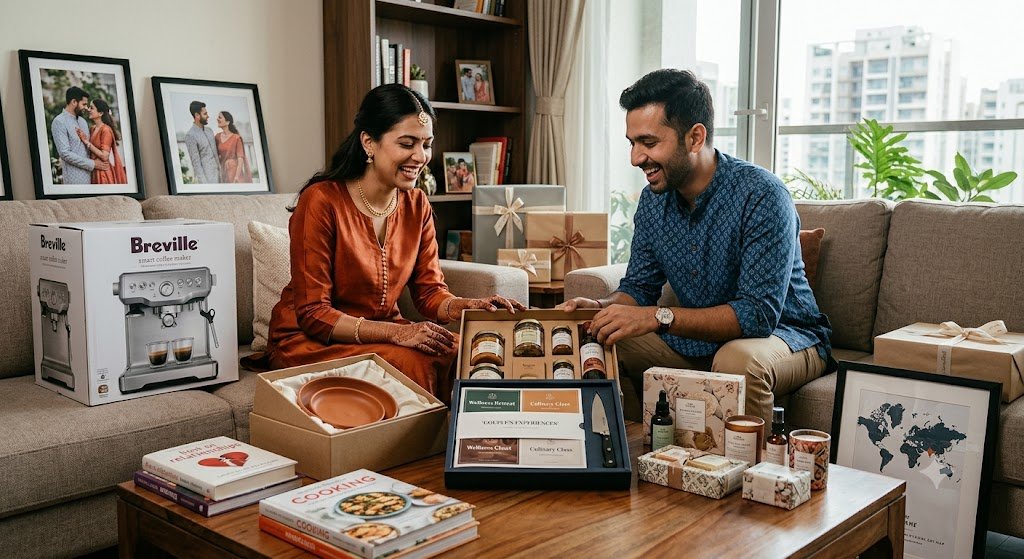

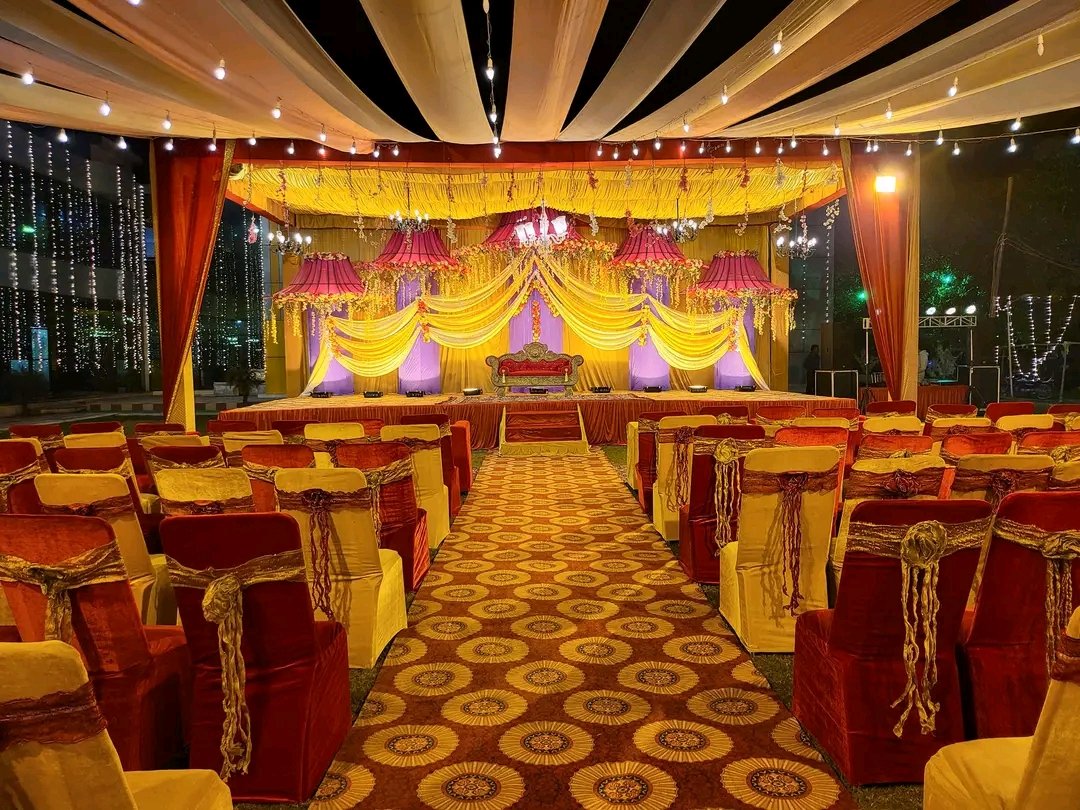
Ask any couple what caused the most stress while planning their wedding, and many will say money. Costs creep up, quotes vary, family members have opinions and a “simple wedding” quietly becomes an expensive one.
A clear budget fixes most of that. This guide shows you how to set a realistic total, split it across categories, spot hidden costs, track spending and keep a buffer. It includes sample budgets at three spending levels so you can see how the numbers play out.
What Do Weddings Actually Cost in India? A Reality Check
Wedding cost data can be confusing because different sources report very different numbers. Here’s why, and what to take from it.
- Platform surveys show high averages. A platform survey of couples in major cities reports that the average Indian wedding budget hit ₹39.5 lakh, with destination weddings climbing to ₹58 lakh, an increase of about 8% on the previous year.
- Other sources show much lower typical spends. One statistics roundup notes that most Indian weddings have an expenditure between 6 and 10 lakhs.
- Guest count matters. The same platform report notes that the average guest list was 420 for local weddings and 280 for destination weddings.
- City and town size matter a lot. One planning blog notes that a wedding in Mumbai for 600 guests can cost around ₹36 lakh, while a similar wedding in a Tier 4 town may only cost ₹3.5 to 4 lakh.
- Ranges are wide. One budgeting site that analysed weddings reports a national range of ₹12 lakh to ₹3.2 crore for a full-scale Indian wedding, but that comes from a commercial calculator, so treat it as indicative.
What this means for you: Averages are pulled upward by very expensive weddings, and surveys tend to cover urban couples who use wedding platforms. Your own budget should come from your guest count, city, functions and priorities, not from a headline number.
Step 1: Decide Your Total Budget First
Before you speak to any vendor, work out how much you can actually spend. Be honest about:
- Savings already set aside
- Family contributions, and who is paying for what, agreed clearly
- What you can save each month until the wedding
- Whether you’ll borrow, and how much you can repay comfortably
Simple savings maths: If you need ₹10,00,000 in 12 months, that’s roughly ₹83,000 per month, before any investment returns. Divide your target by the number of months you have, then see whether it fits your income.
A word of caution on loans: A wedding lasts a few days, but repayments last years. Borrow only what you can repay without hurting your finances. Compare interest rates and fees carefully, and avoid borrowing for avoidable extras.
Step 2: Fix Your Guest Count and City
Guest count is the biggest cost driver, because it affects food, rooms, seating, decor and logistics. One venue-cost guide advises that comparing cost per experience rather than total cost can reveal better value, noting that a smaller destination wedding can feel more premium than a much larger banquet at the same spend.
- Make two lists: “must invite” and “would like to invite.”
- Calculate your cost per guest (formula below).
- Check how your city affects prices. Metros cost more than tier-2 and tier-3 cities for venues and many vendors.
Step 3: Split Your Budget by Category
Planners and calculators use slightly different percentages. This table combines common ranges into a flexible guide.
| Category | Typical share | Notes |
|---|---|---|
| Venue | 15 to 30% | Higher for palace or destination weddings |
| Catering | 18 to 30% | Often priced per plate, per function |
| Venue + catering combined | 40 to 60% | One roundup notes that venue and food take 30 to 35% of the budget for local weddings and 40 to 50% for destination weddings |
| Decor and flowers | 8 to 15% | Often underestimated |
| Photography and videography | 5 to 12% | Varies with city and package |
| Jewellery | 10 to 20% | Depends on family plans, and is sometimes budgeted separately |
| Outfits and accessories | 8 to 15% | Bride, groom and family across functions |
| Makeup, mehendi and entertainment | 3 to 8% | DJ, band, mehendi artists, makeup |
| Invitations, gifts and favours | 2 to 5% | Digital invites reduce this |
| Accommodation and transport | 3 to 10% | Rises sharply at destination weddings |
| Contingency | 5 to 10% | Don’t skip it |
Allocate by percentage rather than fixed rupee amounts. If your total budget changes, the plan adjusts easily.
Step 4: Sample Budgets at Three Levels
These are illustrations built from the ranges above, not quotes. Adjust them for your city, family and priorities. All amounts are in ₹ lakh.
| Category | Share | ₹10 lakh | ₹25 lakh | ₹50 lakh |
|---|---|---|---|---|
| Venue | 20% | 2.0 | 5.0 | 10.0 |
| Catering | 22% | 2.2 | 5.5 | 11.0 |
| Decor and flowers | 10% | 1.0 | 2.5 | 5.0 |
| Photography and video | 7% | 0.7 | 1.75 | 3.5 |
| Jewellery | 12% | 1.2 | 3.0 | 6.0 |
| Outfits and accessories | 8% | 0.8 | 2.0 | 4.0 |
| Makeup and mehendi | 3% | 0.3 | 0.75 | 1.5 |
| Music and entertainment | 3% | 0.3 | 0.75 | 1.5 |
| Invitations and gifts | 2% | 0.2 | 0.5 | 1.0 |
| Accommodation and transport | 5% | 0.5 | 1.25 | 2.5 |
| Contingency | 8% | 0.8 | 2.0 | 4.0 |
| Total | 100% | 10.0 | 25.0 | 50.0 |
How to read it: If your jewellery is funded separately by family, move that percentage to venue, decor or contingency. If you’re hosting a destination wedding, increase accommodation and transport and reduce another category.
Step 5: Work Out Your Cost Per Guest and Per Plate
Cost per guest = Total budget ÷ Guest count
Example: ₹25,00,000 ÷ 250 guests = ₹10,000 per guest across all functions.
Per-plate food cost = Food budget ÷ Guest count (adjust for number of meals and functions)
Example: ₹5,00,000 food budget ÷ 250 guests = ₹2,000 per guest for catering across the events, before taxes and extras. Ask caterers whether their quotes include GST and service charges.
A budgeting calculator explains that reducing your guest count lowers your food cost, which is a useful way to test scenarios before you speak to caterers. Try running two or three guest-count versions of your budget.
Step 6: Budget Function by Function
Many couples overspend because they budget for “the wedding” instead of each function. List your functions and give each a share of the budget.
| Function | Typical cost drivers |
|---|---|
| Roka / engagement | Venue, food, gifts, outfits |
| Haldi | Decor, flowers, outfits, photography |
| Mehendi | Mehendi artists, food, entertainment |
| Sangeet | Stage, sound, DJ, choreography, decor |
| Wedding ceremony | Mandap, pandit, flowers, food, baraat |
| Reception | Venue, decor, catering, entertainment |
| Pre-wedding shoot | Photographer, travel, outfits, makeup |
| Honeymoon | Travel, stay, activities |
If money is tight, trim the number of functions or combine them. Each separate event repeats food, decor and logistics costs.
Step 7: Know What Things Usually Cost
Prices vary by city and vendor, so use these as starting points only and always get real quotes.
- Dinner per person: One finance article cites a range of Rs 700 to 2,000 per person for dinner in its itemised averages.
- Venue per person: One planning guide puts it at around ₹400 to 900 per person in tier-2 cities and ₹700 to 1,500 or more in metros.
- Photography: Typically ranges from tens of thousands to a couple of lakh rupees, depending on the city, team size and days covered.
Compare quotes from at least three vendors in each major category. Browse venues on Shaadiyari and photographers to compare options.
Step 8: Watch Out for Hidden Costs
These are the expenses that quietly break budgets:
- Decor setup and dismantling fees: Ask whether the quote includes labour, transport and cleanup.
- Taxes and service charges: Check whether quotes include GST and venue service fees.
- Overtime charges: Venues often charge extra if the event runs late.
- Extra guests: Last-minute additions change catering, seating and room needs.
- Guest accommodation and transport: Easy to forget, and expensive for out-of-town guests.
- Alterations and fittings: Outfit changes close to the wedding add up.
- Tips and gratuities: Budget for photographers, catering staff, venue helpers and decorators.
- Rituals and puja items: Pandit fees, flowers and offerings.
- Permits and licences: For music, sound or alcohol in some cities.
- Emergency items: Power backup, rain cover, extra lights.
Step 9: Ways to Save Without Spoiling the Wedding
- Trim the guest list. Every guest adds food, seating and room costs.
- Choose off-peak dates. Weekdays and quieter months can bring better prices and availability.
- Prioritise. Decide your top two or three priorities, like food, photography or venue, and spend more there.
- Focus on a few hero moments. A statement mandap and entrance often have more impact than decorating everything.
- Reuse and rent. Reuse decor across functions and rent outfits for secondary events.
- Go seasonal and local. Seasonal flowers and regional menus often cost less.
- Use digital invites for most guests.
- Bundle vendors. Ask for package deals on venue, catering and decor.
- Compare three quotes for every major vendor.
- Merge functions where it makes sense.
Step 10: Negotiate Smartly
- Ask for an itemised quote so you can compare like with like.
- Be flexible on dates and timings to unlock better rates.
- Book early for better availability and sometimes better pricing, but don’t pay large advances before reading the contract.
- Ask what can be removed rather than only what can be added.
- Be polite and clear about your budget. Good vendors often suggest realistic options.
- Get every promise in writing, including inclusions, timings and refunds.
Step 11: Use This Simple Tracking Template
Create a spreadsheet with these columns and update it weekly:
| Category | Vendor | Estimated cost | Quoted cost | Advance paid | Balance | Due date | Notes |
|---|---|---|---|---|---|---|---|
| Venue | |||||||
| Catering | |||||||
| Decor | |||||||
| Photography | |||||||
| Outfits | |||||||
| Jewellery | |||||||
| Makeup and mehendi | |||||||
| Entertainment | |||||||
| Transport and stay | |||||||
| Miscellaneous |
Weekly habits:
- Update actual costs as soon as you pay.
- Compare against your plan, and rebalance if a category runs over.
- Don’t spend your contingency early.
- Review it together with your partner or family.
Common Budgeting Mistakes to Avoid
- Setting the guest list and venue before deciding the total budget
- Relying on a single quote and assuming it’s average
- Ignoring decor setup fees, taxes and tips
- Forgetting guest accommodation and transport
- Skipping the contingency fund
- Overspending on one function and having nothing left for the others
- Borrowing more than you can comfortably repay
- Not putting vendor agreements in writing
- Copying someone else’s budget without adjusting for your city and guests
Frequently Asked Questions
How much should I budget for a wedding in India?
It depends on guest count, city, number of functions and style. Start from what you can afford, then use real quotes to see what that buys.
What is the average wedding cost in India?
Reported averages vary a lot by source. A major platform survey puts the average at ₹39.5 lakh in 2025, while other sources cite much lower typical spends, so build your own number from your guest list and city.
What percentage of the budget goes to the venue?
Commonly 15 to 30%, and higher for palace or destination weddings. Venue and food together often take 40 to 60%.
How much contingency should I keep?
Most planners suggest 5 to 10% of the total budget.
Is a destination wedding more expensive?
It can be, because of travel and stay costs, but a smaller guest list can offset some costs. See our guide to destination weddings.
How can I reduce wedding costs quickly?
Cut the guest list, choose an off-peak date, reduce the number of functions and focus spending on food and photography.
Do I need a planner to stay on budget?
A planner can help negotiate and avoid mistakes, but charges fees. For smaller weddings, a well-organised family coordinator can work.
How do I save for a wedding?
Divide your target by the months left, set up an automatic monthly transfer and review progress every month.
A good wedding budget isn’t about limits. It’s about knowing where your money is going so you can spend it on what matters most to you. Set your total, split it sensibly, keep a buffer and review it every week.
Ready to start planning? Compare wedding venues, find photographers, mehendi artists and other vendors, and get quotes on Shaadiyari.