
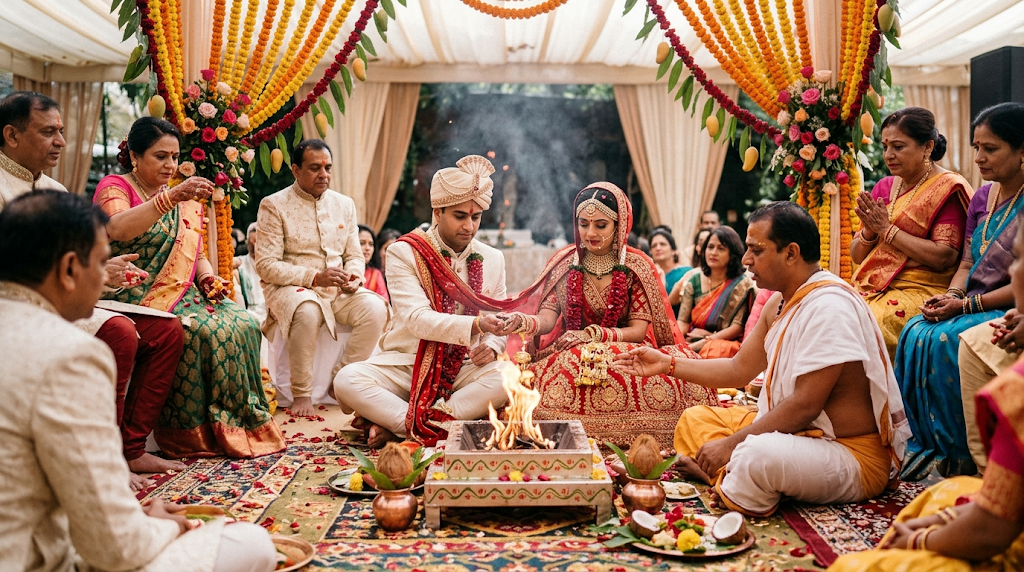
A Hindu wedding can look like a blur of colour, music, chanting and smoke from the sacred fire. If you’re a guest, a bride or groom planning your own wedding, or a family member who wants to understand what’s happening, it helps to know the why behind each ritual.
A Hindu wedding is not just a party. It’s a samskara, a sacred rite of passage. According to one overview of Hindu weddings, rituals were designed to build a solid foundation for dharmic living, and such rites are known as samskaras.
This guide walks you through the rituals in the order they commonly appear, with simple explanations of what each one means.
One Important Note First: There Is No Single Hindu Wedding
Hindu weddings vary across regions, languages, communities and families. As one reference puts it, there is no single standard Hindu marriage ceremony, and regional variation is prevalent in the sequence of rituals, with considerable flexibility within each ritual.
Despite this, a few elements appear almost everywhere. Across traditions, the core is Kanyadaan, Panigrahana and Saptapadi, performed around a sacred fire. Everything else, from haldi to vidaai, may differ in name, order or style.
Treat this guide as a general overview, and always ask your family priest (pandit) and elders about your own customs.
Part 1: Pre-Wedding Rituals
Roka, Sagai or Engagement
After the families have agreed on a match, a small ceremony announces it. Gifts, sweets and blessings are exchanged, and the date for the wedding is often discussed with a pandit. Many families consider this the moment the match is publicly settled.
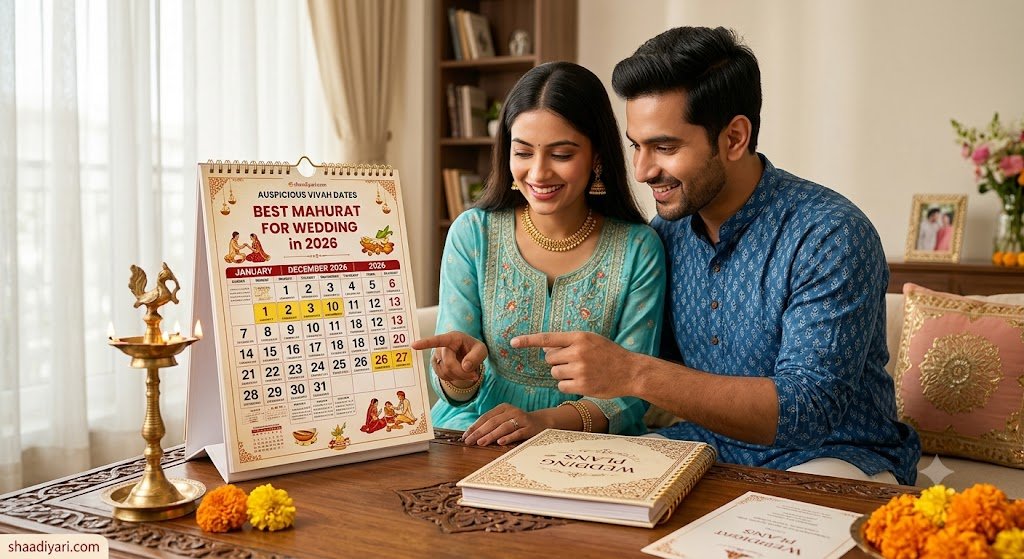
Muhurat Selection
Families consult a pandit to choose an auspicious date and time, usually based on horoscopes and the traditional calendar. One reference notes that the whole ceremony was timed around an auspicious time, or muhurat, for a key step, and some families still follow this closely. See our guide to wedding planning timelines for how to schedule around your muhurat. 4everland
Ganesh Puja
Many weddings begin with prayers to Lord Ganesha, seen as the remover of obstacles, to bless the celebrations and seek a smooth start.
Haldi
A turmeric paste is applied to the bride and groom by family and friends. Turmeric is traditionally associated with purity, auspiciousness and a glowing complexion. The ritual also gives families a joyful, informal moment before the wedding.
Mehendi
Intricate henna designs are applied to the bride’s hands and feet. Mehendi is a symbol of beauty and good fortune, and it’s often a lively gathering with songs and family time. Browse mehendi artists on Shaadiyari.
Sangeet
An evening of music and dance, with performances by both families. Traditionally a way for the two families to bond, today it’s often one of the most elaborate pre-wedding functions.
Other Regional Rituals
Depending on the community, you might also see tilak, chooda ceremony, mayra or bhaat, nalangu, pellikuthuru, ponnu, mangala snanam and more. For a regional example, read our South Indian wedding guide.
Part 2: The Wedding Day Rituals
1. Baraat and Milni
The groom arrives at the wedding venue in a procession (baraat), often with music, dancing and relatives. The two families then meet formally in a ritual called milni, where relatives of similar roles greet each other with garlands and gifts. It represents the joining of two families, not just two individuals.
2. Welcome and Aarti
The groom is welcomed with aarti, tilak and sometimes a small ritual by the bride’s mother. This is a way of showing respect and offering blessings.
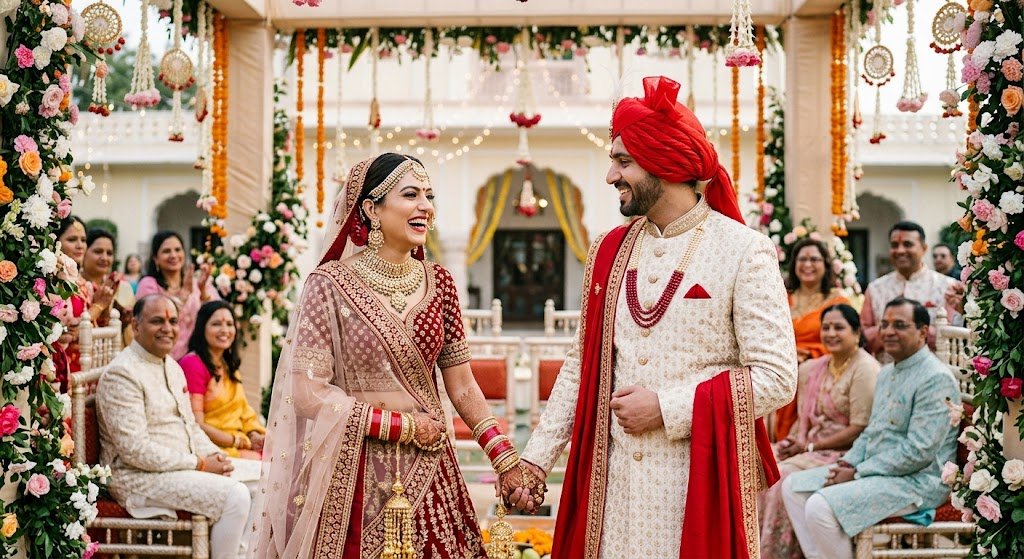
3. Jaimala or Varmala
The couple exchanges flower garlands, symbolising mutual acceptance and respect. Families often add playful moments here, with friends lifting the bride or groom for the exchange.
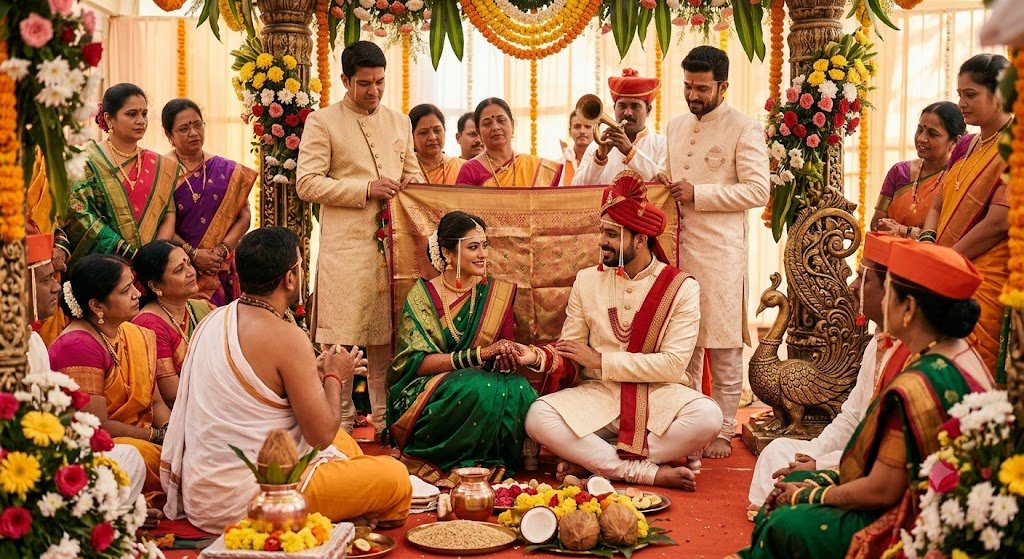
4. Kanyadaan
The word means “giving away the daughter.” One guide describes it as the ceremonial act of a father giving away his daughter in marriage, occupying a central and emotionally charged space within the Hindu wedding ceremony. The bride’s parents place her hand in the groom’s, symbolising the family’s trust in the groom to care for her. In the traditional version, the groom’s repeated promise marks the end of the kanyadaan ritual.
Many modern couples and families reinterpret or adapt this ritual, for example by performing it jointly, or focusing on the idea of blessing the couple rather than “giving away.” Talk to your pandit about what works for you.
5. Panigrahana
The groom holds the bride’s hand in the presence of the sacred fire, signifying union and acceptance. According to one reference, it’s a ritual in the presence of fire where the groom takes the bride’s hand as a sign of their union.
6. Vivaha Homa (The Sacred Fire)
The fire, or Agni, is the witness of the wedding. One explanation notes that in a Hindu wedding, Agni is invited as a witness because fire represents purity, among other qualities. The pandit chants Vedic mantras while offerings are made into the fire, and the couple prays for blessings and a harmonious life.
7. Pheras and Saptapadi (Seven Steps)
This is the heart of the wedding. In saptapadi, the couple takes seven steps together, each step representing a vow. As one guide explains, it’s a ritual where the couple walks around a fire in loops, taking a vow with each step. Another notes that the saptapadi is the most sacred part of the Hindu marriage ceremony.
Different traditions describe the seven vows in different ways, and some communities use four pheras or a different number of rounds. One commonly cited version goes like this:
- Nourishment: Providing for each other and the family
- Strength: Staying healthy in body and mind
- Prosperity: Building a secure, shared life
- Happiness and trust: Respecting each other and sharing joy
- Family: Caring for children and elders
- Long life and health: Supporting each other through all seasons
- Friendship and companionship: Remaining lifelong partners
In many traditions, the marriage is considered complete at the seventh step.
8. Mangalsutra and Sindoor
In many communities, the groom places sindoor (vermilion) in the parting of the bride’s hair and ties or places a mangalsutra around her neck. These are traditional symbols of marriage in many communities. In some regions, like South India, tying the thali or mangalsutra is the central moment of the ceremony. Customs differ widely, and some couples choose different or shared symbols.
9. Ashirvad (Blessings)
The couple seeks blessings from elders, priests and relatives. Often they touch the feet of elders, and receive blessings and gifts.
10. Other Common Rituals
- Ring exchange (a more recent addition in many families)
- Aarti and mukh-dikhai, where the bride’s face is shown and blessed
- Games and light-hearted rituals, such as ring-finding, to bring families together
Part 3: Post-Wedding Rituals
Vidaai
The bride’s farewell as she leaves her parental home. It’s one of the most emotional moments of the wedding, as families bless the couple and wish them happiness. Rice or coins are often thrown over the shoulder as a symbol of leaving prosperity behind for her family.
Griha Pravesh
The bride is welcomed into her new home with aarti and rituals. In many families, she may gently tip a vessel of rice or step into the home with specific customs, symbolising prosperity and a new beginning.
Reception, Pagphera and Others
The groom’s family may host a reception to introduce the couple to friends, colleagues and extended family. Rituals such as pagphera (bride’s first visit back to her parents’ home) vary by community.
Do the Rituals Have Legal Weight?
In India, a Hindu marriage is generally valid if the ceremonies are performed as per the customary rites of either party, and under the Hindu Marriage Act, where those rites include saptapadi, the marriage becomes complete when the seventh step is taken. Even so, you should register your marriage to get a marriage certificate. Rules and documents vary by state, so check with your local registrar or a lawyer. See our guide to temple weddings for more on registration.
How Long Do Hindu Wedding Rituals Take?
It depends on the community, family and pandit. A full ceremony can take anywhere from one to several hours on the wedding day, and the surrounding events can run for several days. Ask your pandit for a detailed schedule so you can plan food, photography and guest timing around it.
Tips If You’re Planning a Hindu Wedding
- Talk to your pandit early. Ask about the sequence, items needed (samagri) and timings.
- Discuss expectations with both families. Decide which rituals to keep, adapt or skip.
- Brief your vendors. Share the key ritual moments with your photographer and decorator.
- Check venue rules. Some venues have limits on open fire, so confirm if a havan kund is allowed and where it can be placed. Browse wedding venues accordingly.
- Keep it comfortable. Plan seating, water and breaks for elders and long ceremonies.
- Explain rituals to guests. A simple printed or digital programme with short explanations makes the ceremony more meaningful, especially for guests unfamiliar with the traditions.
- Be flexible. Many couples adapt rituals to reflect their values, such as shorter ceremonies or joint participation of both families.
Tips If You’re a Guest
- Dress modestly and festively, following the family’s cues.
- Arrive on time, especially if the muhurat is fixed.
- Follow the family’s lead on when to stand, sit or participate.
- Ask questions politely after the ceremony if you want to understand a ritual.
- Don’t interrupt the pandit or the key moments, and be mindful when taking photos.
Frequently Asked Questions
What are the main rituals of a Hindu wedding?
The core rituals are kanyadaan, panigrahana and saptapadi, performed around the sacred fire. Other rituals vary by region and family.
Why are there seven steps (saptapadi)?
Each step represents a vow for married life. The number seven carries spiritual and cultural significance in Hindu tradition.
Why is fire important in a Hindu wedding?
Fire (Agni) is considered a divine witness and a symbol of purity.
Is kanyadaan mandatory?
It’s a traditional ritual, but families and couples approach it in different ways. Some adapt or omit it. Discuss with your pandit and family.
Are rituals the same across India?
No. The core elements are shared, but names, order and customs vary widely.
Can couples customise the rituals?
Many do, but it’s best to discuss changes with both families and the priest, so the ceremony remains meaningful for everyone.
Do I need to register a Hindu marriage?
Yes, registration is advisable and required in many states. It gives you a legal marriage certificate.
Understanding Hindu wedding rituals adds depth to every ceremony. When you know why the couple circles the fire, why elders place their hands in blessing, or why garlands are exchanged, the wedding becomes more than a spectacle. It becomes a story of two people and two families coming together.
Planning your own wedding? Explore venues, photographers, makeup artists and trusted vendors on Shaadiyari.